


Not sure what shoe size to order? Learn how to measure your foot, convert US, UK and EU sizes and find the right fit in your footwear such as clogs, sneakers, boots, easy-wear and more.
The short answer to this, is: start by measuring your foot. Then compare it to the brand’s size chart and read the fit notes on the product page. It takes about five minutes, saving you a return. Here’s how to do it step by step.
Step One: Measure your foot shoe size at home
a. Place a sheet of paper flat against a wall and stand on it with your heel touching the wall.
b. Mark the tip of your longest toe.
c. Measure from the wall to the mark in centimeters.
d. Repeat with the other foot and use the larger number.
Measure in the evening, when your feet are slightly swollen from the day, and wear the socks you’d normally wear with the shoes. For closed shoes like sneakers and boots, aim for about a thumb’s width (roughly 1 cm) of space in front of your longest toe.

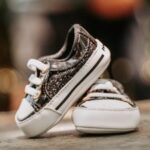
Sneakers shoe size that fit nicely!
Step Two: Convert to the right shoe size system
Designer and international brands use different systems, so match your measurement to the chart below, then check the brand’s own chart.
| Foot length | US Men | US Women | UK | EU |
| 25 cm | 7 | 8.5 | 6 | 40 |
| 26 cm | 8 | 9.5 | 7 | 41 |
| 27 cm | 9 | 10.5 | 8 | 42 |
| 28 cm | 10 | 11.5 | 9 | 43-44 |
| 29 cm | 11 | 12.5 | 10 | 44-45 |
These are approximate. Italian, French and US brands often size differently, so the brand’s own chart always wins.
Step Two: Check your width
Length is only half the story. If your shoes pinch at the sides or the upper bulges, you probably need a wider fit. If your heel slips or your foot slides around, you may need a narrower one. When a shoe comes in multiple widths, choose the one where your foot sits securely without pressure points.

Measuring foot to choose the perfect shoe size.
Step 4: Fit by shoe type
Clogs: Most clogs come in whole sizes with little room for half-size adjustments. A small amount of heel lift is normal in open-back styles, but your toes shouldn’t touch the front. If you’re between sizes, go up, as you can always add an insole.
Lifestyle sneakers: Toe room and sock thickness matter most. If you plan to wear thick socks, or you have wider feet, consider a half size up.
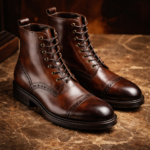
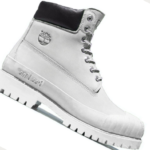
Boots: Check the shaft width and calf fit as well as foot length. Leave a little extra room for thick winter socks, and expect leather to soften with wear.
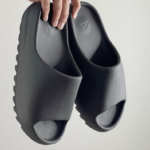
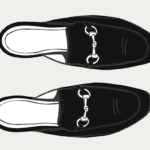
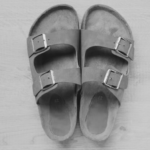
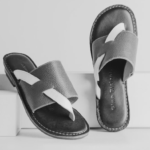
Easywear (slides, mules, sandals): Your foot should sit fully on the foot bed, with no toes or heel hanging over the edge.
Step 5: Know how brands tend to fit
Fit varies by model, so treat this as a starting point and always check the notes on the product page.
- Nike: Mostly true to size. A few models run slightly large, and performance running shoes can feel snug.
- Adidas: Mostly true to size. Retro low-profile styles like the Samba and Gazelle run narrow, so many people go up half a size.
- Reebok: Mostly true to size. Classic leather styles tend to be roomy.
- Lacoste: Mostly true to size. Some leather sneakers fit snugly, so consider a half size up if you’re between sizes.
- Tommy Hilfiger: Mostly true to size. Sneakers can run a touch small.
- Timberland: True to size but a little narrow. Go up half a size for thick socks, or choose a wide fit where available.
- Louis Vuitton: Fit varies a lot by line, so check the size chart on each product page.
Step 6: Use reviews and fit notes
Customer reviews are the most reliable fit information you’ll find. Look for repeated comments like “runs small” or “narrow in the toe box,” and give more weight to reviewers who mention their usual size. If several people say the same thing, trust the pattern.
Step 7: Know your return options
Even with careful measuring, some shoes just don’t fit. Before you order, check the return and exchange policy so you know how easy it is to swap for another size. Try shoes on indoors, on a clean surface, and keep the packaging until you’re sure.
Frequently asked questions
Should I size up or down if I’m between sizes?
For most closed shoes, sizing up is safer, since you can add an insole or thicker socks but can’t stretch a shoe that’s too short.
Are half sizes worth it?
Yes, if you’re between sizes. Just note that some styles, such as many clogs, are only made in whole sizes
Do feet change size over time?
They can. Age, pregnancy, weight changes and activity level all affect foot size, so remeasure once a year.
Why do my sizes differ between brands?
Every brand uses its own last (the mold a shoe is built around), and designer and mass-market lines are built for different fits. Always use the brand’s own size chart.
Find your fit
Now that you know how to choose the perfect shoe size, measurements and how each style tends to fit, you’re ready to shop with confidence. Browse our collections of clogs, sneakers, boots and easywear, and check the shoe sizes of each footwear available.
